Which floor suits a kitchen and which suits a bathroom
Luxury vinyl plank, or LVP, is a layered floor made to look like wood or stone. Most LVP has a waterproof core, so the plank itself won't swell. It feels softer underfoot than tile and goes in faster. Heavy point loads and sharp objects can dent or cut it. Water can still get under the floor through seams and edges, so the edges near tubs and sinks get sealed.
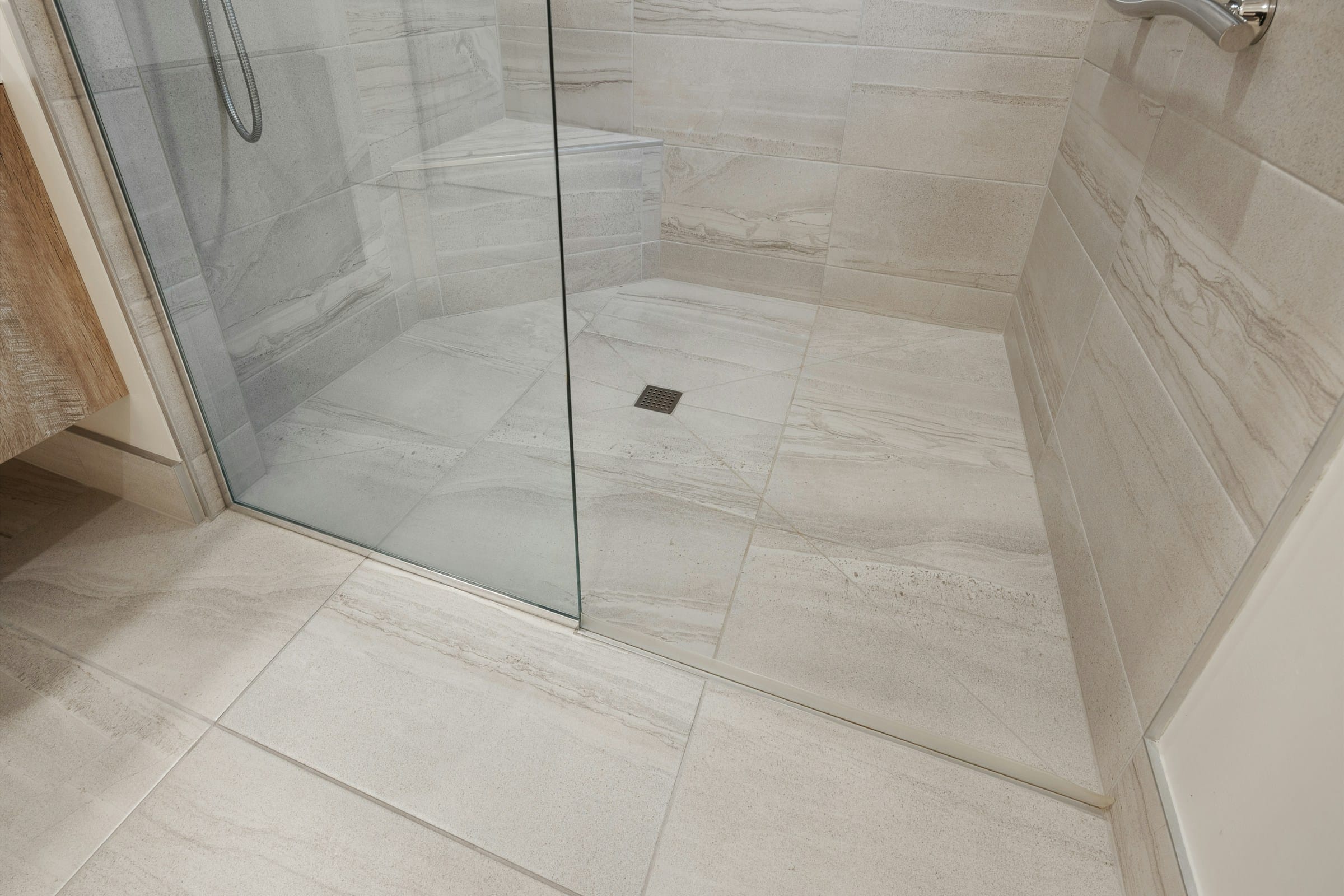
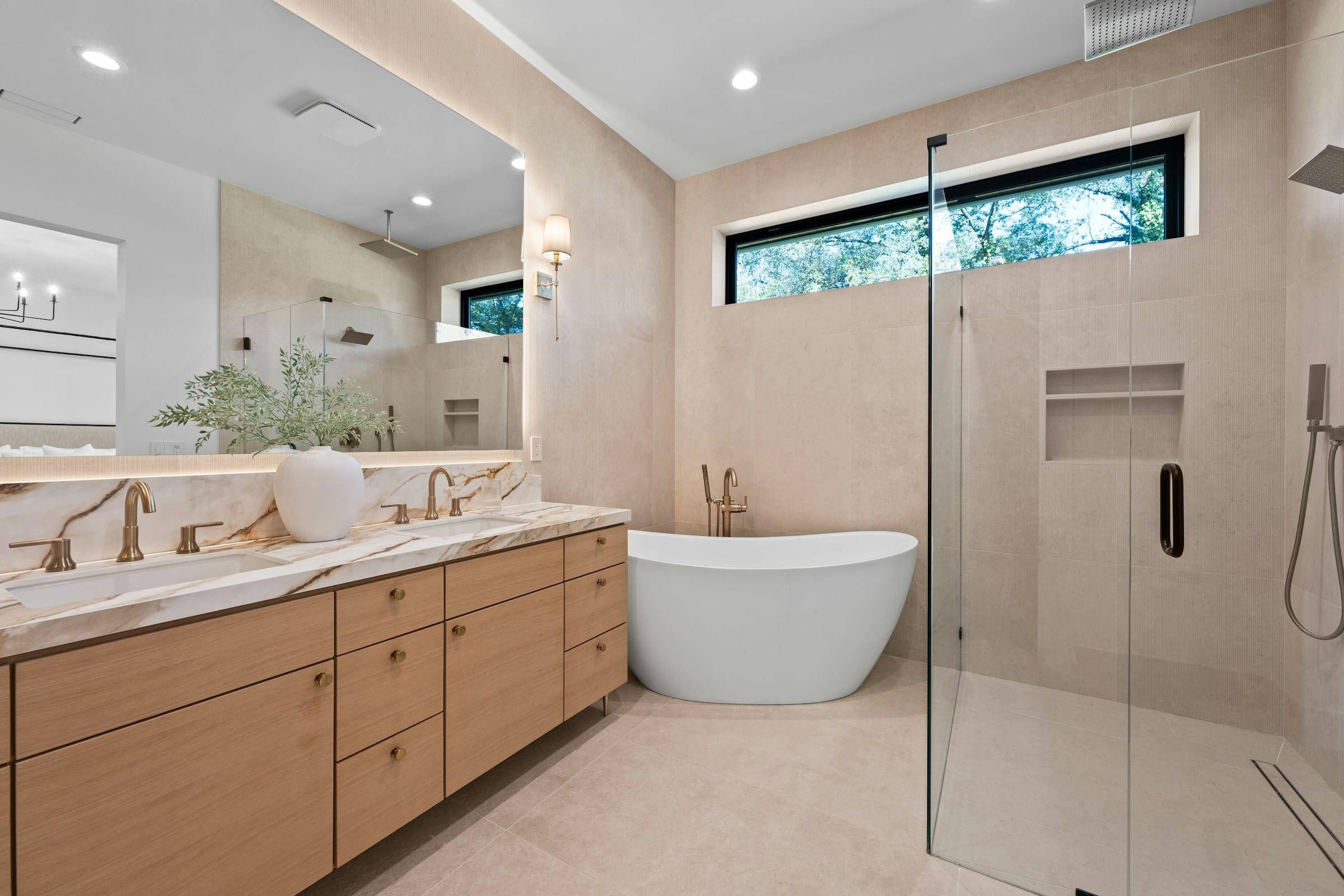
Tile comes as ceramic or porcelain. Both are fired clay. Porcelain is denser and takes in less water, which makes it a strong pick for bathroom floors. Tile lasts a long time. It also feels hard and cold, and a dropped dish will probably break. Grout lines need sealing, or you can use epoxy grout. For wet floors, ask about the tile's slip rating. Smaller tiles and textured finishes give more grip.
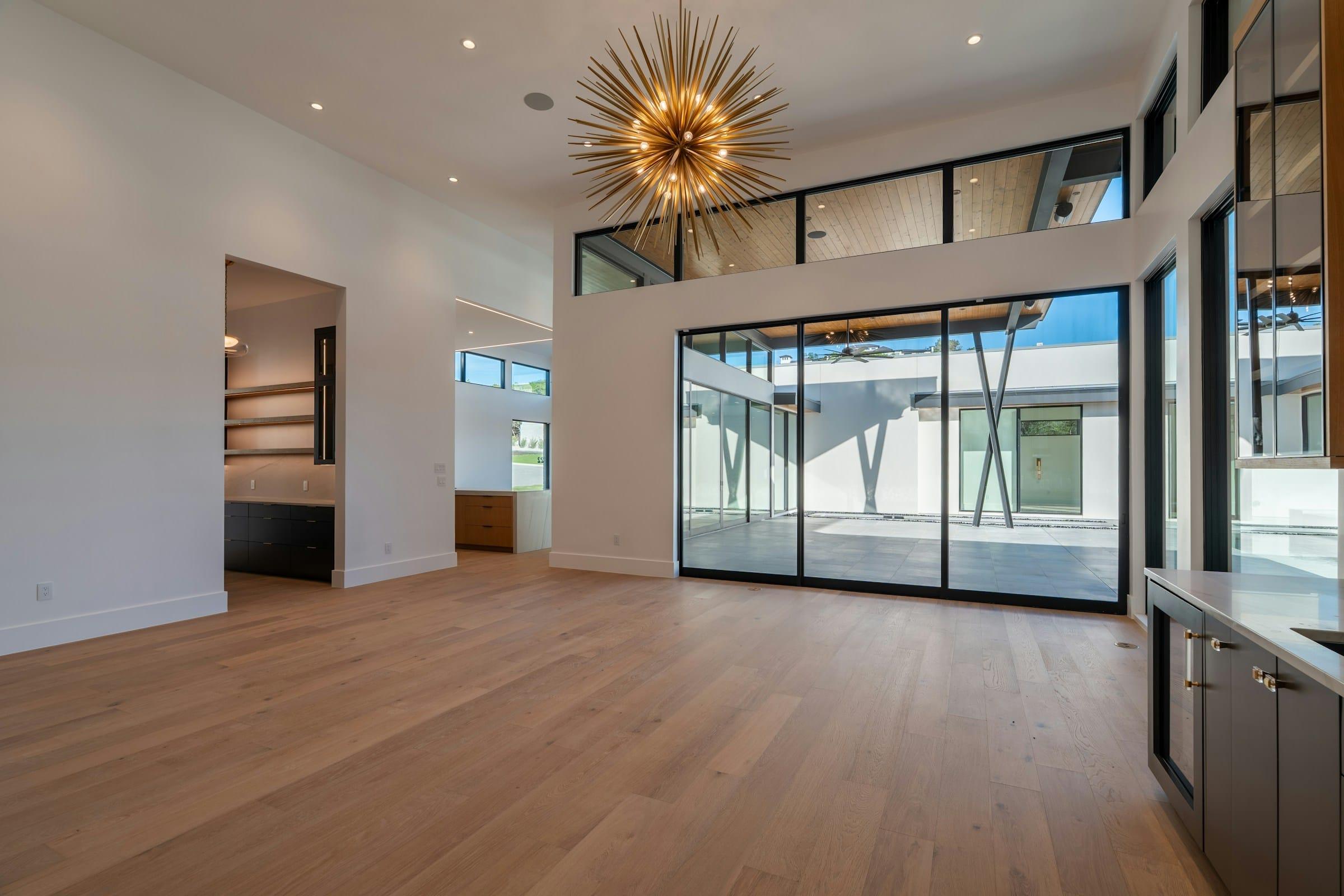
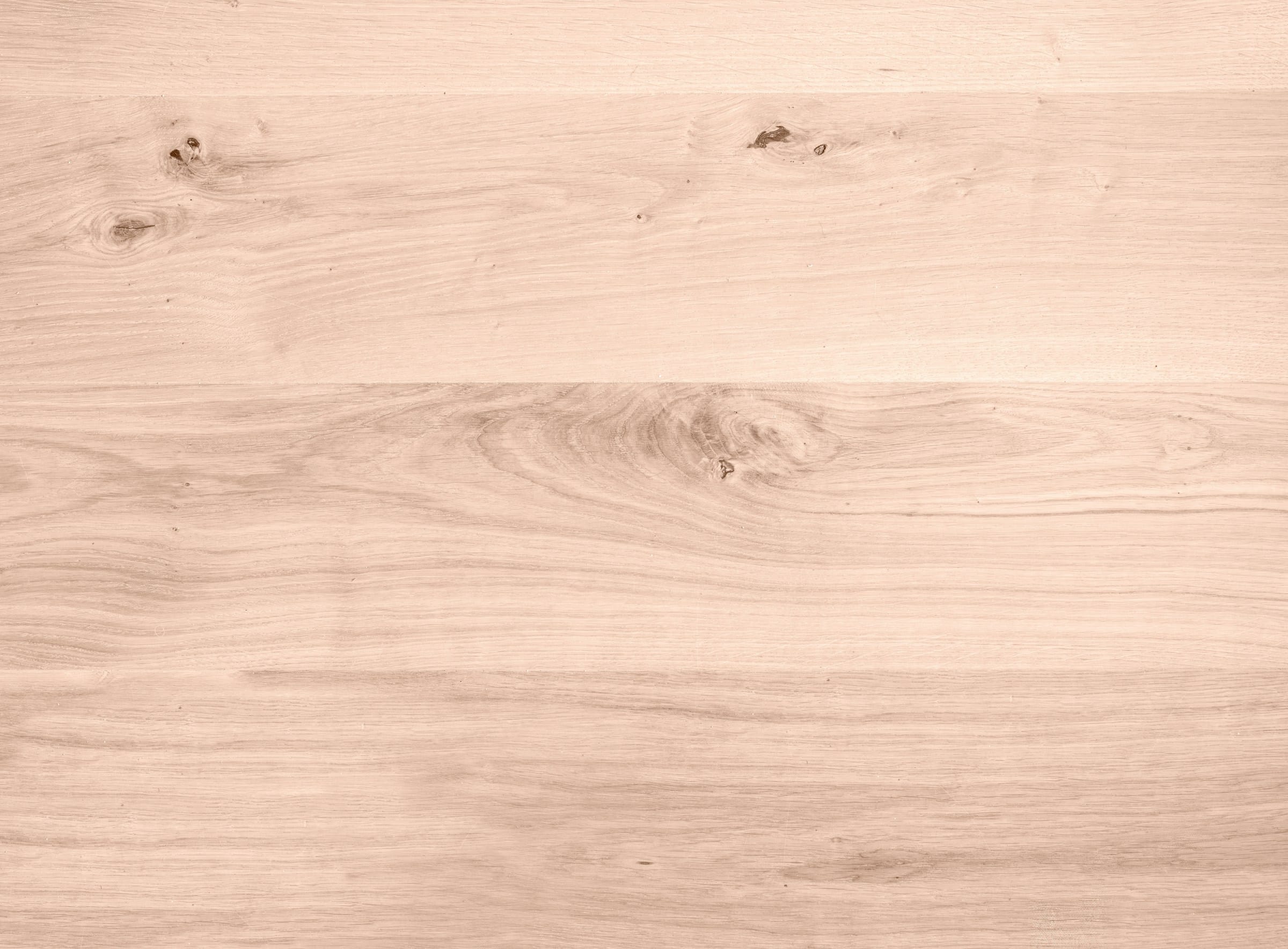
Engineered hardwood has a real wood top layer over layers of plywood. It handles swings in humidity better than solid wood, and it can work in a kitchen if spills get wiped up quickly. It's not a good fit for a full bathroom with a tub or shower. Solid hardwood isn't recommended for full bathrooms either, because it can swell and cup when it gets wet.